
Exosomes are one of the most talked-about developments in regenerative skincare. Here is a clear look at what they are and how they are used.
What are exosomes?
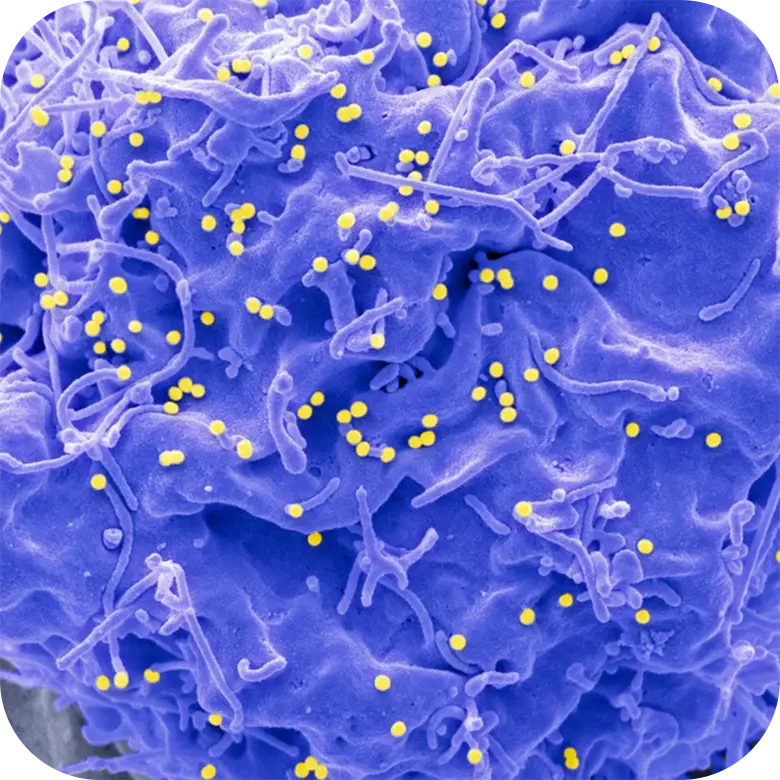
Exosomes are small vesicles found in cells, particularly in human stem cells. They contain biomolecules such as proteins, lipids and nucleic acids, and act as messengers between cells, playing a role in communication, healing, regeneration and tissue repair. They are not cells and do not carry active DNA, which means they offer some of the benefits associated with stem-cell science without the ethical concerns or the risk of cell mutation.
What do exosomes do for the skin?
Exosomes have been studied for their regenerative and rejuvenating potential. They may support cell-cycle regulation, help stimulate collagen and elastin, reduce inflammation and improve skin hydration. They are used to help address concerns such as acne, dark circles, pigmentation and expression lines, and to support smoother, firmer, more hydrated and more radiant-looking skin.
Which areas can be treated?
Exosomes can be applied to various areas, including the face, eye area, neck, décolletage, hands and scalp.
Are exosomes used for melasma?
Exosomes have shown promise in supporting the management of melasma, a form of skin hyperpigmentation, by helping to regulate melanin production and lighten affected areas.
How do exosomes support the scalp?
On the scalp, exosomes can help stimulate microcirculation, deliver nutrients to hair-follicle cells and regulate sebum production, supporting a healthier scalp and hair.
How many sessions are needed?
The number of sessions varies with individual needs and goals. Generally, four to six sessions are recommended, with intervals of two to four weeks between each.
How is the treatment performed?
Application is usually performed either with a microneedling technique that creates micro-channels in the skin, or through subcutaneous micro-injections, allowing the active substances to be delivered efficiently. A session typically lasts 30 to 60 minutes, depending on the area, and most patients report only mild, easily tolerated discomfort.
When will I see results?
Results vary from person to person, but many patients begin to notice improvements in skin texture and appearance within about a week, with more significant changes over the following weeks. Exosomes can offer long-lasting results, though maintenance sessions, often around every 12 months, may be recommended to preserve the benefits. Individual results vary.